Client: MDG
Services Performed: Architecture & Planning
Location: U.S. Virgin Islands
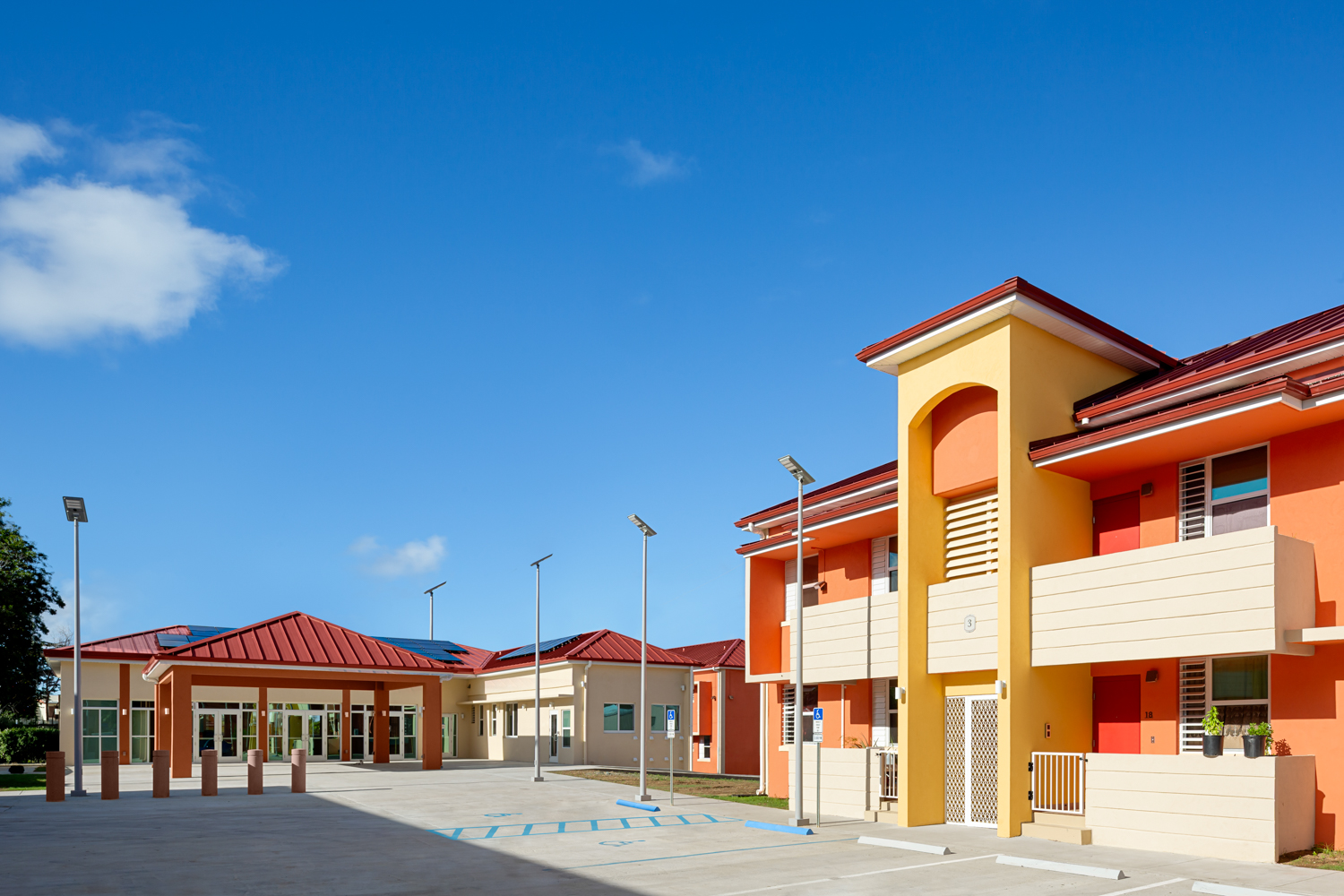
Scale & Scope: 14 Buildings | 106 residential units, community center, management office, recreational landscaping, and ancillary maintenance infrastructure
Project Parameters
- Establish Scope of Work based on existing conditions
- Prepare Construction Documentation for negotiated bid
- Construction Administrative Services
- Code Inspections and Sign-offs
- Substantial Rehabilitation
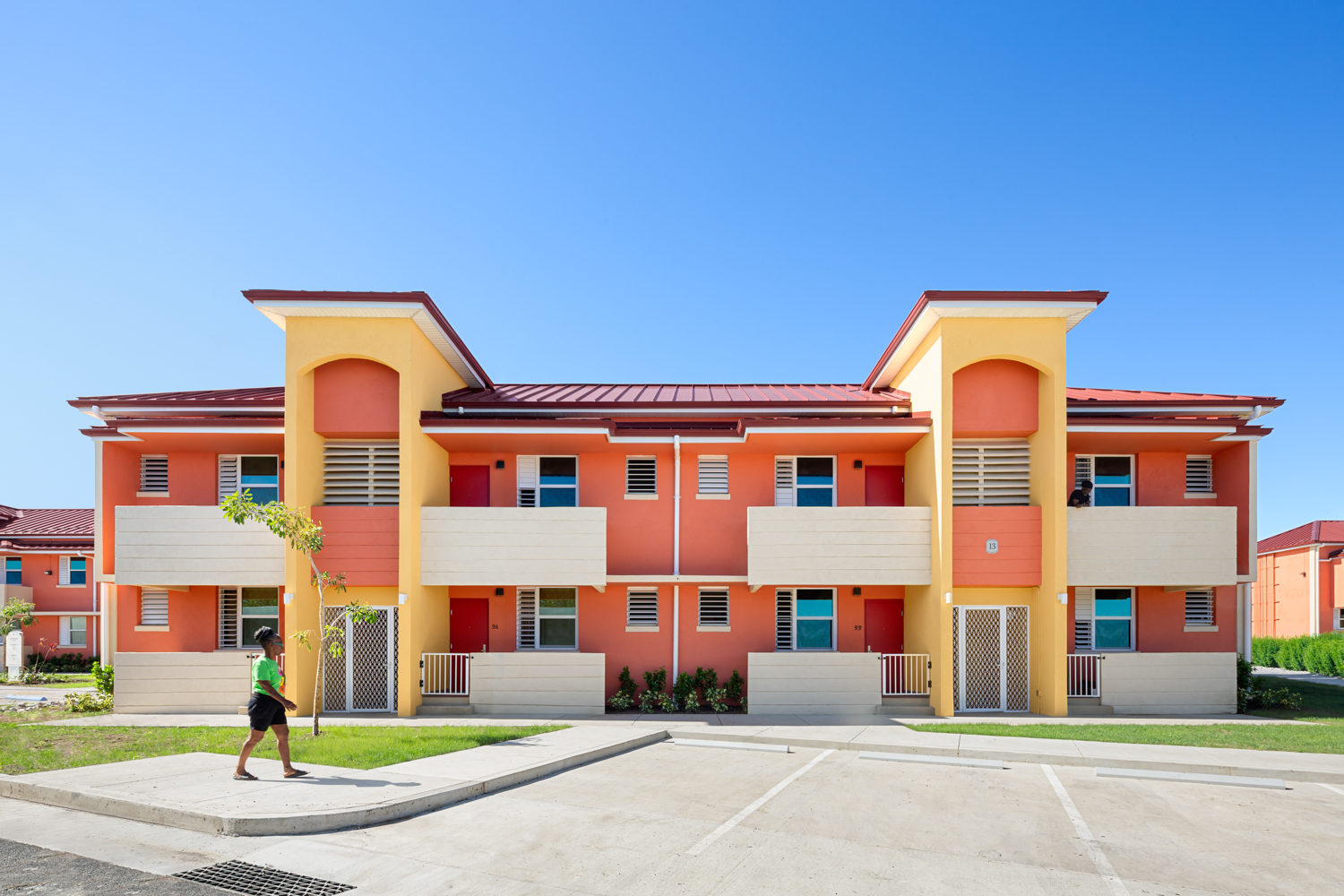
A commitment to creating more resilient and sustainable communities for residents at VIHA’s D. Hamilton Jackson Terrace neighborhood
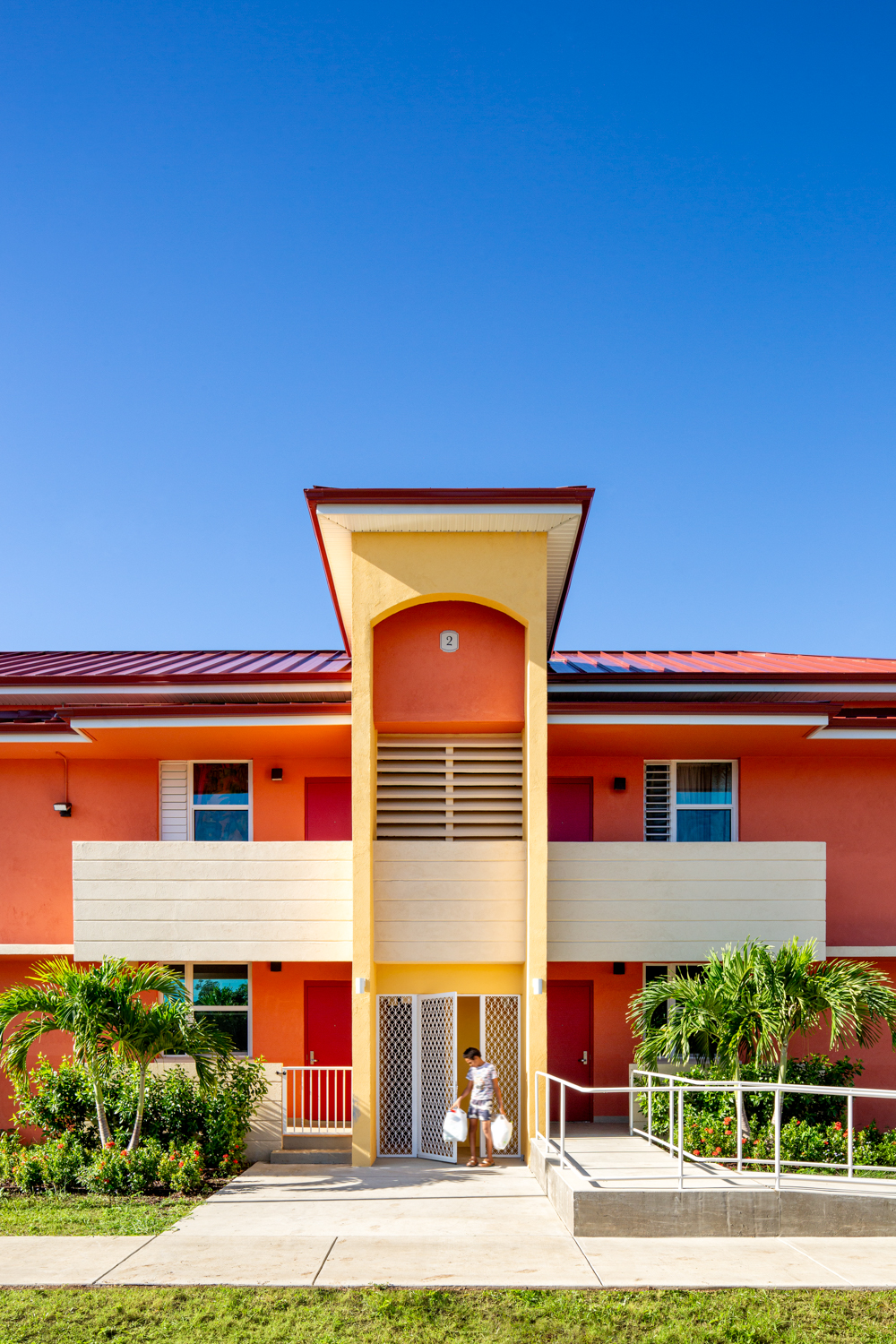
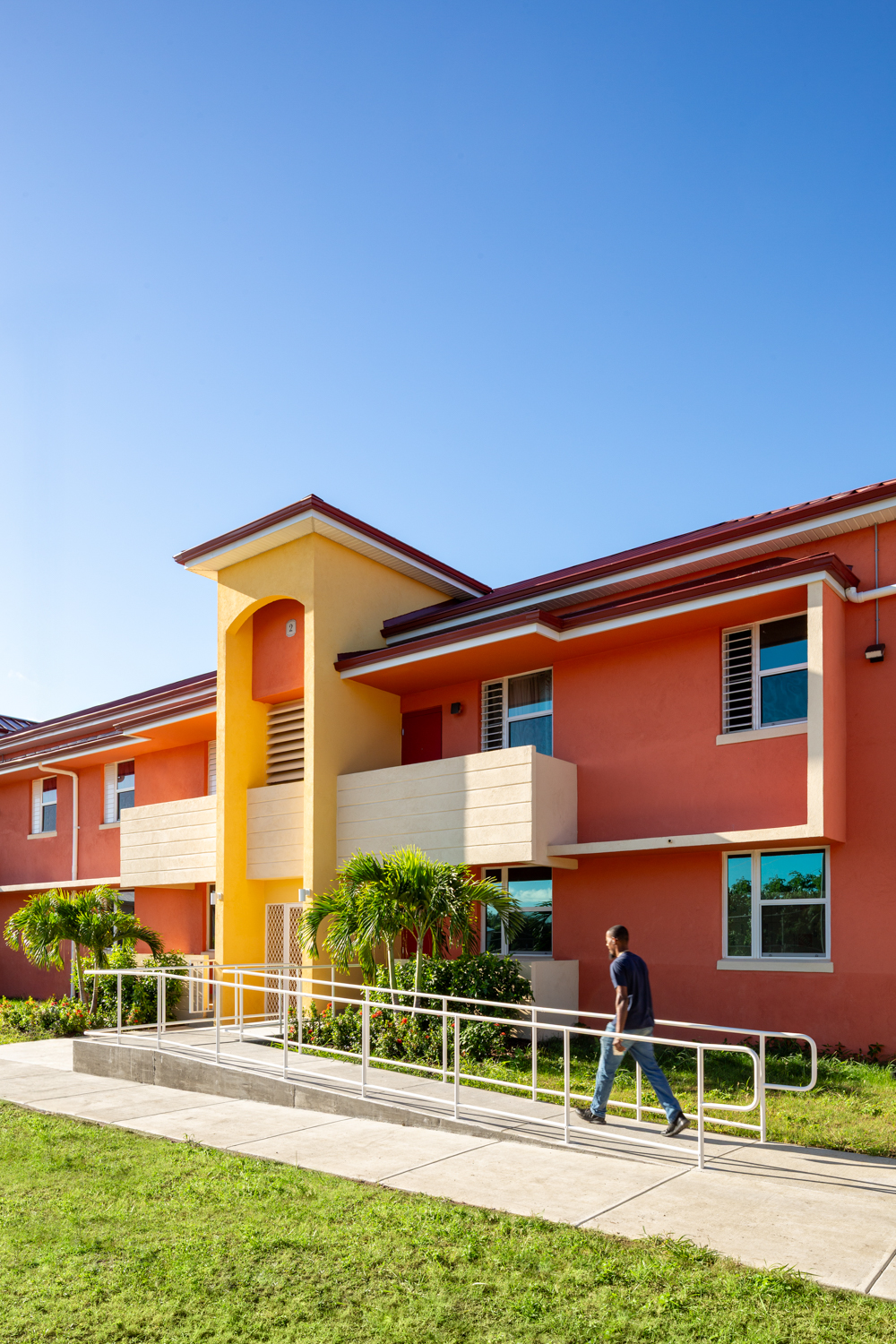
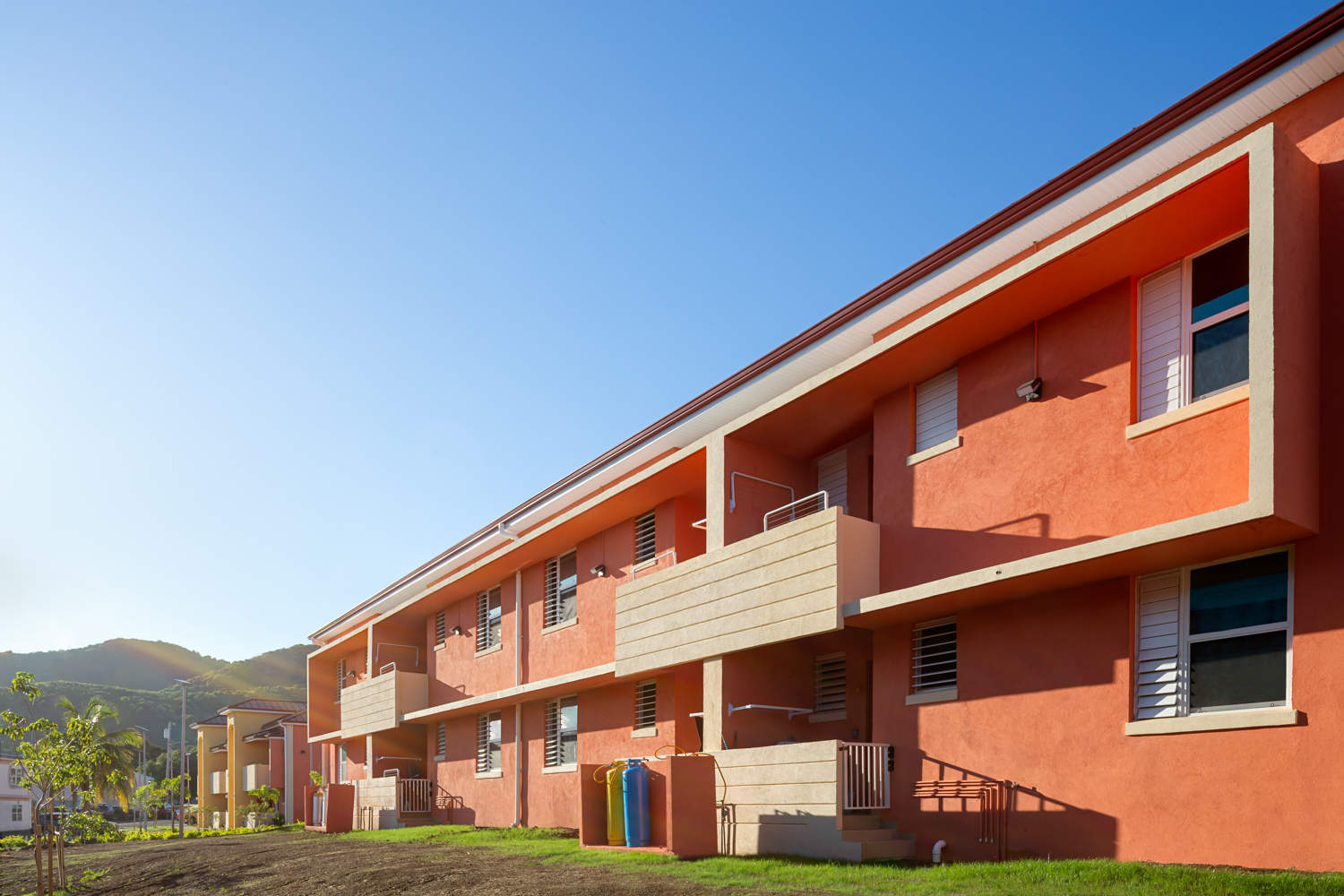
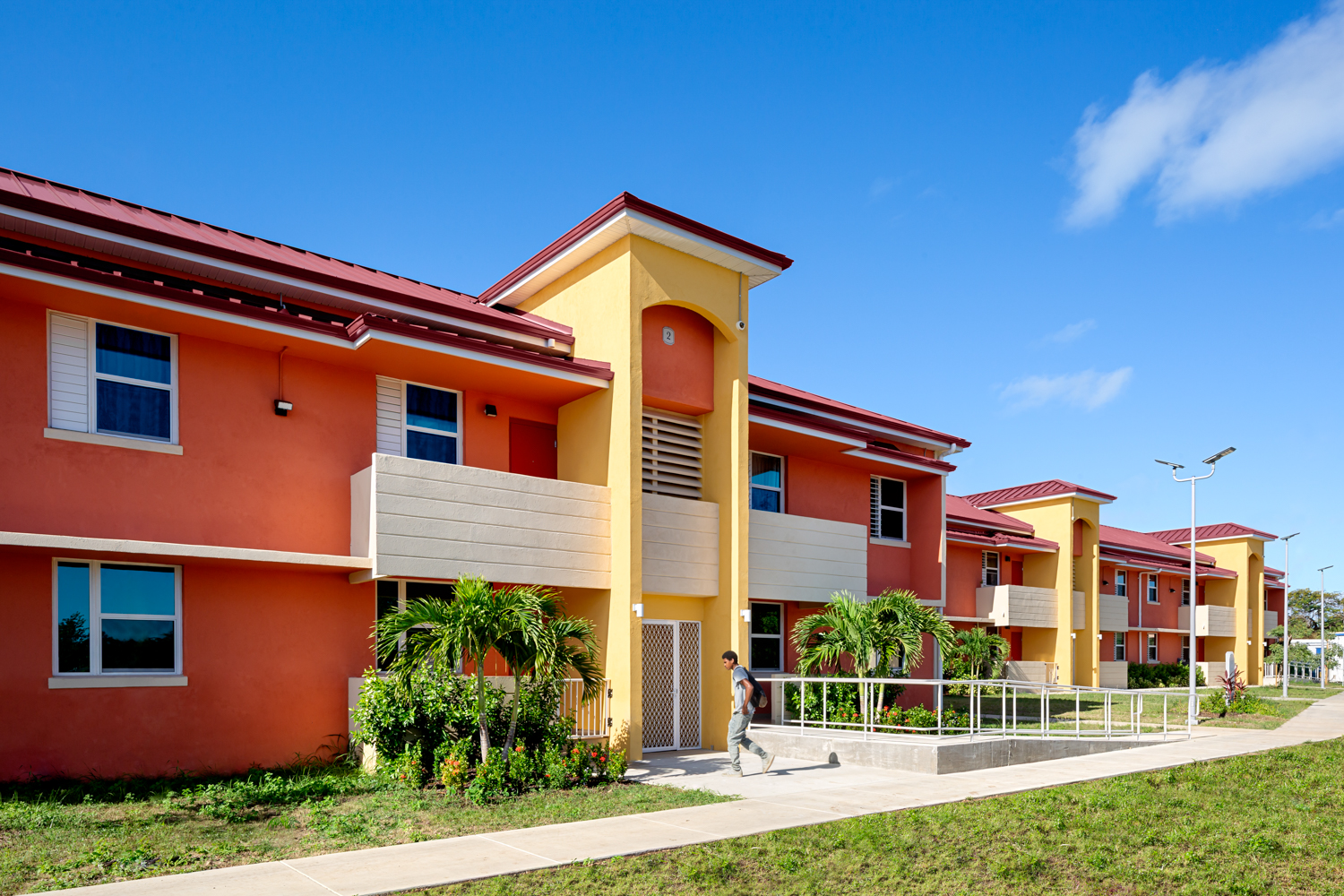
Community Rehabilitation & Resiliency. Virgin Islands Housing Authority D. Hamilton is a longstanding affordable housing community in the U.S. Virgin Islands dating back to the mid-1950s. Following years of deterioration from aging infrastructure, hurricane impacts, and partial flood zone exposure, the phased rehabilitation focused on restoring long-term resiliency while improving daily quality of life for residents. The project includes the rehabilitation of 106residential units, updated site infrastructure, and re-envisioned community spaces designed to better support residents, families, and neighborhood connection.
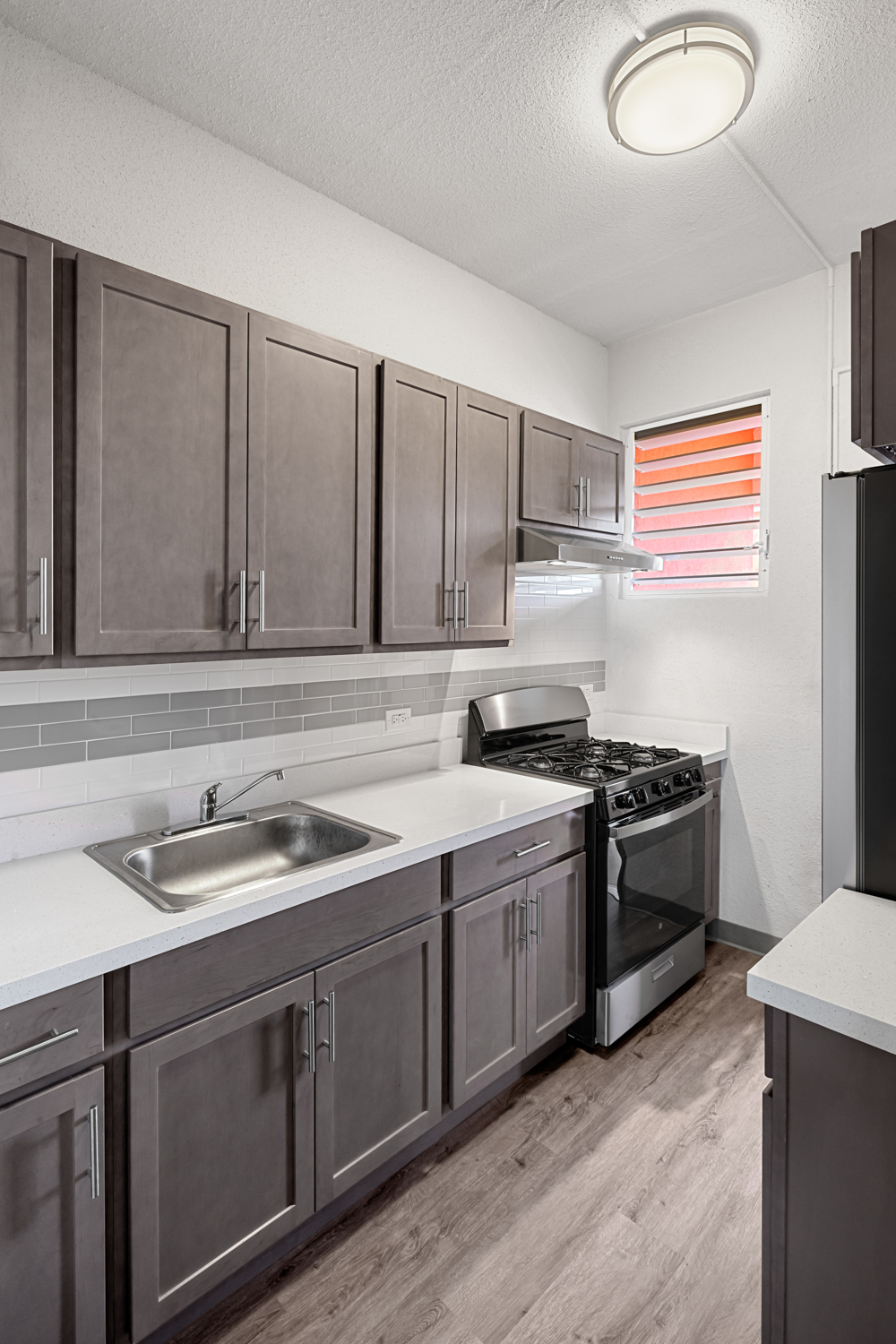
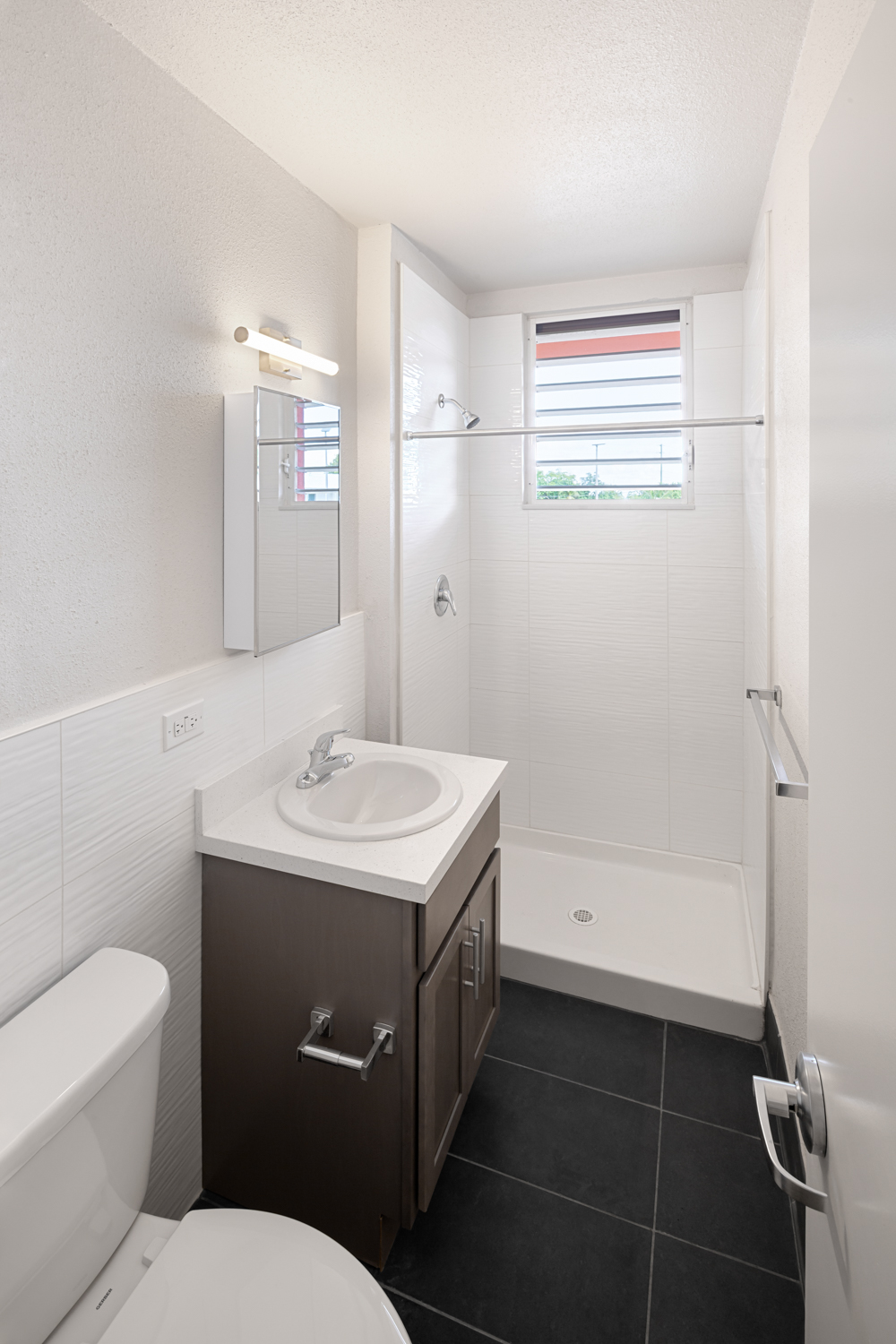
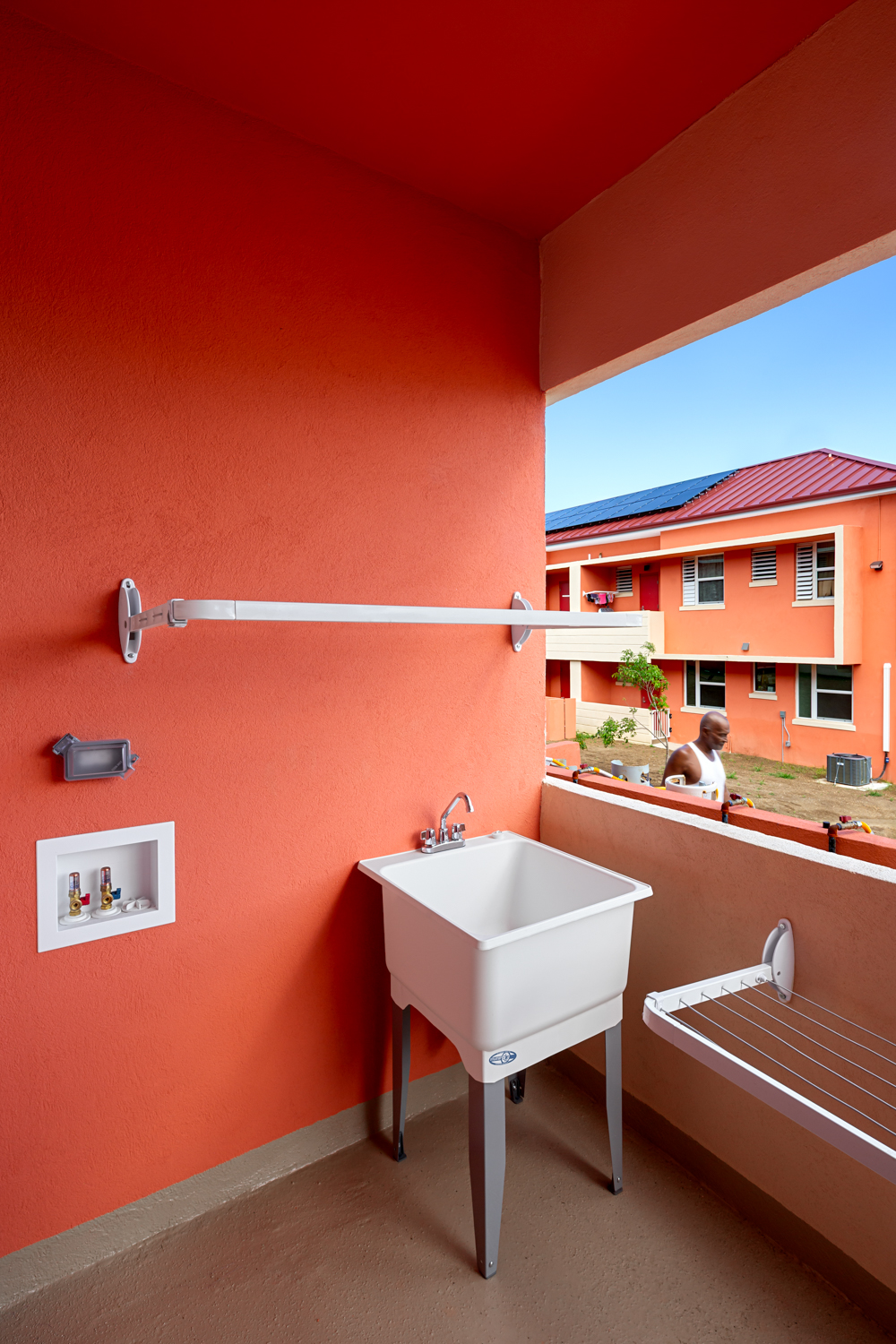
Residential Modernization & Building Upgrades. Apartment renovations include new kitchens, bathrooms, flooring, paint, plumbing, electrical systems, and upgraded building components throughout. Roof replacements, new façade systems, and hurricane-resistant windows and doors were integrated to improve durability, weather protection, energy performance, and long-term building resilience within the Caribbean climate.
Community Spaces & Site Improvements. The rehabilitation extends beyond the buildings to strengthen the broader residential campus through a renovated community center, landscaped outdoor gathering spaces, playgrounds, basketball courts, seating areas, improved parking, lighting, and enhanced site security. The redesigned site plan prioritizes accessibility, safety, recreation, and shared community life, creating spaces that feel cared for, welcoming, and resilient for residents both during everyday use and future storm events.